Taylor
Good evening Project, I am Taylor, and this is Goose Pod, your dedicated space for deep dives into the science of you. It is Wednesday, January 14th, and the clock just hit 23:01. Tonight, we are tackling a question that sits at the intersection of biology and strategy.
Holly
How absolutely lovely to be here with you! I am Holly, and I must say, today’s topic is truly fascinating. We are exploring how our muscles actually respond to exercise when we are losing weight. It is like a secret conversation happening right beneath our skin, isn't it?
Taylor
Exactly, it is the ultimate narrative of resilience. We often think weight loss is just about the numbers on the scale, but beneath that, there is a complex power struggle for energy. We are going to break down the latest research that shows muscle might be tougher than we thought.
Holly
I am so curious to hear more! People often worry that cutting calories means losing the very strength they have worked so hard to build. It feels a bit like a delicate dance between nourishing ourselves and pushing our physical limits, which is such a sophisticated thing to balance.
Taylor
That dance is exactly what researchers at Liverpool John Moores University have been mapping out. They looked at how muscles remember weakness, which is such a brilliant way to frame it. Just like muscle memory helps us grow, there is an epigenetic shift that happens during periods of disuse.
Holly
The idea of muscles having a memory for weakness is quite poignant, Taylor. Does this mean that when we stop moving, our genes actually change their expression? It sounds like the cells are trying to adapt to a quieter life, even if that adaptation makes it harder to recover later.
Taylor
Spot on. The study found that repeated periods of immobilization cause these epigenetic changes that specifically target the mitochondria. You know, the little powerhouses of the cell. When these genes are suppressed, it is like the muscle’s endurance and recovery engine is being intentionally throttled back.
Holly
Oh, how fascinating and yet a bit concerning! If the mitochondria are less abundant, then the muscle simply cannot produce the energy it needs to thrive. It is as if the power plant is running on low fuel, making every movement feel so much more demanding than it should be.
Taylor
It is a strategic retreat by the body. But here is the twist from a separate study at Duke-NUS Medical School. They identified a gene called DEAF1 that acts like a regulator for muscle repair. As we age, DEAF1 levels rise, which can actually block the muscles from cleaning themselves.
Holly
A gene named DEAF1? That is almost poetic, as if the muscle is becoming deaf to the signals for growth. But I heard that exercise can act like a reset button for this process. It helps lower those DEAF1 levels so the muscle can finally clear out the damaged proteins.
Taylor
Precisely. It is like hitting the rewind button on aging. By lowering DEAF1 through physical activity, the muscle restores its balance and starts rebuilding. This is the core event we are seeing. Exercise is not just about burning calories; it is a high-level signaling tool for cellular maintenance.
Holly
It is like a internal spring cleaning! I find it so wonderful that our bodies have these built-in mechanisms to refresh and renew. Even when we are in a calorie deficit, the right kind of movement seems to tell the muscle that it is still very much needed and valued.
Taylor
And we cannot forget the role of L-lactate. We used to think of it as just a waste product, but new research shows it is actually an insulin-independent regulator of glucose. It uses a pathway involving the GPR81 receptor to help muscles take up sugar even without a lot of insulin.
Holly
How absolutely marvelous! So, during exercise, the lactate we produce is actually helping us manage our blood sugar levels more effectively. It is like the muscle is creating its own special key to unlock energy stores, which is such a clever way for the body to sustain itself.
Taylor
It really is a masterstroke of biological engineering. When you combine the mitochondrial preservation with this lactate signaling, you get a muscle that is incredibly resilient. Even under the stress of weight loss, the muscle tissue is fighting to maintain its metabolic health and its ability to function.
Holly
It makes me feel so much more appreciative of our physical selves. We often focus on what we are losing during a diet, but inside, there is this robust effort to stay efficient and strong. It is like a quiet, graceful persistence that keeps us going through the challenges.
Taylor
And the data shows that in healthy men undergoing a severe seventy-eight percent calorie deficit, their muscles didn't just survive; they shifted toward a more oxidative phenotype. This means they became better at burning fat for fuel while actually increasing the synthesis of those vital mitochondrial proteins we discussed.
Holly
Wait, a seventy-eight percent deficit? That sounds incredibly intense, Taylor. To think that the muscle would respond positively to such a massive shortage of energy is truly surprising. It is as if the muscle becomes more refined and focused when the resources are scarce, like a artist creating beauty.
Taylor
It is the ultimate lean-startup mentality. The muscle cuts the overhead, specifically collagen proteins that can cause stiffness as we age, and invests everything into the energy-producing machinery. This creates what researchers call a more metabolically youthful profile. It is essentially turning back the clock through sheer necessity.
Holly
I love that imagery! Reducing the stiffness and focusing on the energy powerhouses. It sounds like the muscle is becoming more elegant and supple, even while the rest of the body is searching for fuel. It is a testament to how vital our movement is for our long-term vitality.
Taylor
To really understand why this happens, we have to look at the background of how we lose weight. Many people turn to Very Low Calorie Diets, or VLCDs, which usually cap intake around one thousand calories. But this is where the narrative can get a bit dark if we aren't careful.
Holly
Oh dear, a thousand calories sounds like very little indeed. I can imagine that such a sharp reduction would send the body into quite a state of alarm. What happens to the muscle when we restrict ourselves so severely without the right kind of support or physical activity?
Taylor
Well, the body enters metabolic adaptation. It is a survival strategy where your resting metabolic rate drops because the body is trying to reach an equilibrium. After three months of intense dieting, this adaptation can be as high as thirteen percent. You start moving less and even sleeping longer.
Holly
So the body is essentially trying to save itself by doing less. It is a very sensible response from an evolutionary perspective, I suppose. But it must be so frustrating for someone trying to reach a goal, only to find their own metabolism is working against their efforts.
Taylor
Exactly. And the real danger is the loss of fat-free mass. We aren't just talking about skeletal muscle here. Rapid weight loss can actually lead to a reduction in the mass of your organs. One study showed people losing eleven percent of their weight also lost twenty-six percent of their heart mass.
Holly
That is truly startling! Losing heart mass sounds quite serious. It makes you realize that the body is making very difficult choices about which tissues to keep and which to sacrifice when energy is that low. It is not just about the reflection in the mirror at that point.
Taylor
It is a high-stakes resource allocation problem. Muscle usually starts to break down around week five of a severe deficit. Since muscle is responsible for a huge portion of our glucose disposal, losing it is directly linked to insulin resistance. It is a classic case of short-term gain leading to long-term pain.
Holly
It seems we must be very mindful of how we approach weight loss then. If muscle mass is the engine of our metabolism, we certainly don't want to dismantle it just to see a lower number on the scale. How do we ensure that the muscle stays protected during this time?
Taylor
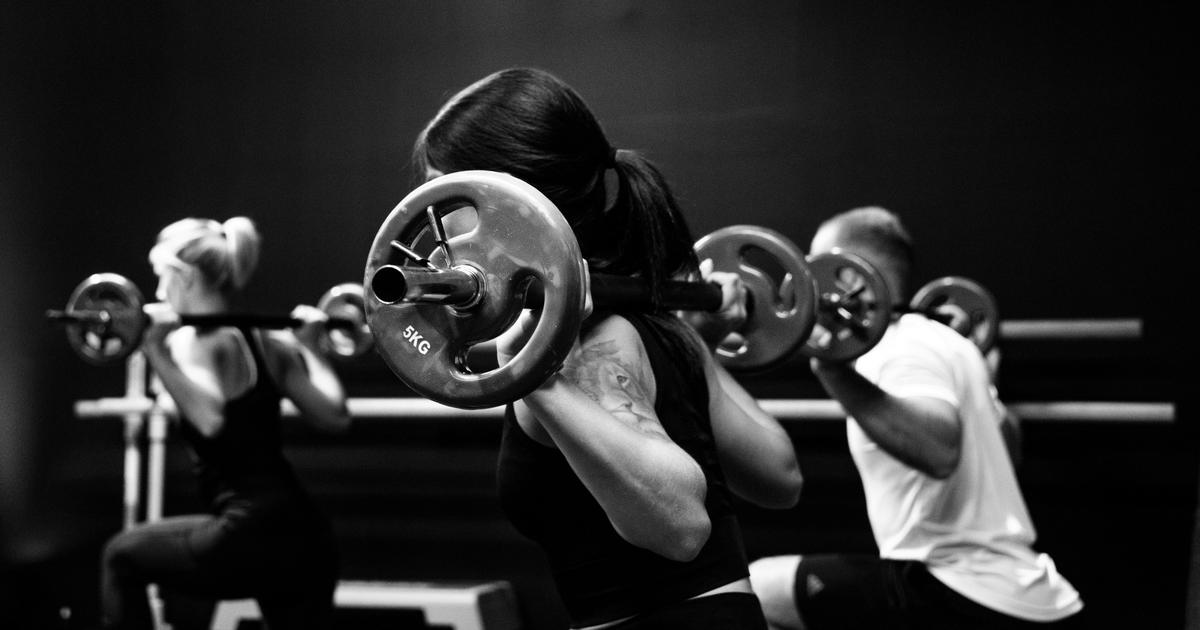
The strategy is two-fold: protein and resistance training. You need about thirty-five to forty grams of protein per meal to maximize muscle synthesis, especially as you get older. If you pair that with heavy lifting, you can actually mitigate that drop in protein synthesis even when you are in a deficit.
Holly
Thirty-five grams per meal? That sounds like quite a focused effort, but it makes so much sense. It is like giving the muscle the building blocks it needs while the exercise provides the instruction manual. It is a way of telling the body that this tissue is essential for our survival.
Taylor
Survival is the keyword here. If we look back at our hunter-gatherer ancestors, they often faced periods of food scarcity. But they couldn't just curl up and wait. They had to be able to walk long distances to find food or hunt. Their muscles had to stay ready, even when they were hungry.
Holly
How absolutely fascinating! So our muscles have evolved to be resilient during hunger because our ancestors literally had to move to survive. It is a deep, ancient adaptation. Our bodies are designed to keep us capable of movement, even when the pantry is empty, so to speak.
Taylor
Exactly. This is why we see that positive mitochondrial response. The body prioritizes locomotion. In the Liverpool study, they saw that even with a massive calorie cut, the participants' muscles were creating more energy-producing proteins. It is like the body saying, I will sacrifice fat, but I must keep the legs moving.
Holly
That is such an empowering thought! We carry this legacy of strength within us. It suggests that exercise during weight loss isn't just a chore, but a way of honoring that evolutionary resilience. It keeps the muscle quality high, even if the total mass fluctuates a little bit during the process.
Taylor
It really changes the narrative from one of deprivation to one of optimization. We are seeing drops in hormones like leptin and IGF-1, which are clear signals of energy preservation. But inside the muscle, it is like a high-tech upgrade is happening. It is getting leaner, more efficient, and more youthful.
Holly
A high-tech upgrade! What a lovely way to put it. It makes me think of how a vintage car might be carefully restored with a more efficient engine. It still has its classic beauty, but it performs with such modern grace and reliability. It is truly a wonderful process.
Taylor
And the research shows this is not just for the young. While the study focused on fit young men, the principles of mitochondrial health and reducing collagen stiffness are even more critical for older adults. Muscle loss as we age, or sarcopenia, is one of the biggest threats to independence and metabolic health.
Holly
It really is about the quality of our years, isn't it? Maintaining that youthful muscle profile means we can continue to move with ease and grace as we grow older. It is like making a wise investment in our future selves, ensuring we have the strength to enjoy life's many wonders.
Taylor
It is the ultimate strategic move for longevity. We have to stop viewing weight loss as just losing fat and start seeing it as an opportunity to remodel our muscle tissue. When we exercise in a deficit, we are forcing the muscle to become the best, most efficient version of itself.
Holly
It is such a sophisticated perspective, Taylor. It reminds me that our bodies are not just passive machines, but active, intelligent systems that respond to the challenges we give them. When we provide the right stimulus, they respond with such incredible, life-affirming strength and resilience. It is just lovely.
Taylor
Now, even with all this positive news, there is a massive conflict brewing in the world of weight loss, specifically with the rise of GLP-1 drugs like Ozempic and Wegovy. These are total game-changers, but they have sparked a huge debate about the quality of the weight being lost.
Holly
I have heard so much about those medications! They seem to be helping many people, which is wonderful, but I do wonder if the weight loss happens so quickly that the muscle doesn't have time to adapt. Is there a risk that we are losing our strength along with the fat?
Taylor
That is the multi-billion dollar question. Some trials show that up to thirty-nine percent of the weight lost on these drugs can come from lean mass. That is a staggering number. If you aren't actively doing resistance training and hitting high protein targets, you could be setting yourself up for a metabolic crash.
Holly
Thirty-nine percent! That sounds like a very high price to pay for a smaller waistline. If we lose that much muscle, our resting metabolism would surely slow down, making it even harder to maintain the weight loss in the long run. It seems like a bit of a strategic trap.
Taylor
It is a major conflict in clinical practice. The FDA is actually starting to emphasize body composition monitoring in trials because they realize that just looking at the scale isn't enough. We need to know if the weight loss is fat-selective or if we are losing the very tissue that keeps us healthy.
Holly
It is so important to look deeper than the surface. It makes me think of athletes, too. They must face such a difficult challenge when they need to stay light for their sport but still require immense power. How do they manage that delicate balance without harming their health?
Taylor
That brings us to the concept of Relative Energy Deficiency in Sport, or RED-S. It is a major controversy. Athletes often push into low energy availability to optimize their body composition, but if they go too far, their body starts shutting down non-essential systems like reproduction and bone health.
Holly
That sounds quite distressing. To sacrifice one's health for a moment of performance seems like such a heavy burden. I have heard that some athletes even see the loss of their menstrual cycle as a sign of hard work, which is such a heartbreaking misunderstanding of how the body works.
Taylor
It is a dangerous narrative. Performance can be a deceptive indicator. You might still be fast or strong in the short term, but your bone density could be plummeting. There is a huge push now to educate athletes that health is the foundation for long-term performance, not something to be traded away.
Holly
It is about playing the long game, as you often say. We want to be healthy and active not just for a season, but for a lifetime. It seems the conflict lies in choosing between the quick results and the sustainable, healthy path that respects our body's complex needs.
Taylor
Exactly. Even with the new drugs, the experts are saying that pharmacology is not the plan; it is just a tool. If you don't combine it with the lifestyle basics, you are essentially borrowing health from the future to pay for a thinner body today. It is a risky trade-off.
Holly
And it is so interesting how different people react to these deficits. I read that women might actually resist fat loss more than men during calorie restriction, perhaps as an evolutionary way to protect their reproductive health. Our bodies are so clever at prioritizing what really matters for survival.
Taylor
That is a fascinating bit of research. Younger females often have a harder time losing fat in a deficit compared to men because the body is trying to preserve those energy stores for potential offspring. It is another layer of conflict between our modern goals and our ancient biological programming.
Holly
It really shows that there is no one-size-fits-all approach to weight loss and health. We must listen to our own bodies and understand the unique ways they respond to the choices we make. It is a very personal and sophisticated journey for everyone, wouldn't you agree?
Taylor
I absolutely agree. The conflict really boils down to how we define success. Is it just a lower number, or is it a body that is functionally stronger and more metabolically active? The research is clearly pointing toward the latter, even if it takes more effort and strategy to get there.
Holly
It is a more beautiful kind of success, I think. One that feels vibrant and full of life. When we focus on the quality of our muscle and the health of our cells, the rest seems to fall into place with much more grace and ease. It is a lovely way to live.
Taylor
The impact of these findings is massive, especially when we talk about muscle banking. This is a concept we have touched on before, the idea that building physical resilience is like putting money in a health savings account. The more you bank now, the better you recover from anything later.
Holly
Muscle banking! What a charming and clever term. It makes exercise feel so much more like a gift to our future selves. And I remember hearing that even just ten minutes of intense activity can have such a profound impact on our internal health, even helping to repair our DNA.
Taylor
It is true! Short bursts of exercise can trigger anti-cancer effects by releasing molecules that fix DNA. The societal impact of this is huge. If we can shift the focus from just weight loss to muscle quality, we could drastically reduce the burden of chronic diseases as our population ages.
Holly
It would be such a wonderful shift for the world. Imagine a society where people are not just living longer, but living with more strength and independence. It would change everything from how we design our cities to how we spend our leisure time together. It is very inspiring.
Taylor
And we are seeing this impact in the regulatory world. The FDA starting to look at body composition instead of just weight is a huge strategic pivot. It signals that muscle preservation is now being recognized as a critical health outcome, not just a cosmetic preference for athletes or bodybuilders.
Holly
That is such a significant change! It means that the medical community is finally acknowledging the vital role that muscle plays in our overall well-being. It is no longer just about being thin; it is about being strong and healthy in a very deep and meaningful way.
Taylor
There is also a major impact on the way we view nutrition. We are moving away from just counting calories to focusing on macronutrient quality. People are realizing that if they are on a weight loss drug, they have to be even more strategic about their protein to avoid that muscle loss.
Holly
It is like the science is catching up with our intuition. We need to nourish ourselves properly to stay strong. I have noticed more women embracing strength training lately, moving away from the pressure to be small and instead celebrating what their bodies can actually do. It is so empowering!
Taylor
It is a total cultural shift. Sculpted arms and strong legs are becoming symbols of self-leadership and capability. This focus on performance and longevity is a much healthier narrative than the old aesthetics-driven ones. It is about what your body can do, not just how it looks in a mirror.
Holly
How absolutely lovely! It is a celebration of our potential. And when we realize that our muscles are actually getting younger and more efficient when we exercise in a deficit, it makes the whole process feel so much more rewarding. It is like discovering a hidden fountain of youth.
Taylor
It really is. The impact on metabolic health is profound. Better muscle quality means better blood sugar regulation, which means less risk of Type 2 diabetes. We are talking about a fundamental shift in how we manage public health by prioritizing the engine of our metabolism, our skeletal muscle.
Holly
It is a very hopeful message. It suggests that we have much more agency over our health than we might have thought. By making these small, consistent investments in our muscle health, we are creating a foundation for a vibrant and active life, which is truly a wonderful thing.
Taylor
Looking ahead, the future of this field is going to be dominated by the concept of metabolic health for all. We are moving beyond just treating obesity to a more holistic vision of prevention. We will likely see new adjunct therapies, like myostatin inhibitors, that help preserve muscle while fat is lost.
Holly
New therapies to help preserve muscle? That sounds like a very sophisticated addition to our health toolkit. I can imagine that for older adults or those who struggle with mobility, such developments would be a truly wonderful blessing, allowing them to stay active and independent for much longer.
Taylor
Definitely. And we are seeing a huge push from Gen Z and Millennials who are redefining wellness as a proactive, daily practice. They are more interested in longevity and functional nutrition than any generation before them. They want muscle, bone, and joint support as part of their everyday lives.
Holly
It is so heartening to see the younger generations taking such a wise and thoughtful approach to their well-being. They seem to understand that health is something to be nurtured and protected from a young age. It bodes very well for the future of our society, doesn't it?
Taylor
It does. We are also going to see more personalized technology that tracks body composition in real-time. Imagine a world where your watch doesn't just tell you your steps, but tells you if your muscle quality is improving. That kind of data-driven strategy will empower everyone to be their own CEO of health.
Holly
How absolutely marvelous! To have such clear and helpful information right at our fingertips. It would make the journey to health feel so much more clear and attainable. I truly believe that the future of wellness is going to be filled with so much more grace and understanding.
Taylor
The ultimate goal is a world where healthy choices are the easiest and most affordable ones. By aligning economic incentives with metabolic health, we can create a society that thrives. The research we discussed today is just the beginning of this narrative shift toward a stronger, more resilient future.
Holly
It is a future I am very much looking forward to. A world where everyone has the opportunity to feel strong and capable, and where we all celebrate the incredible resilience of our human bodies. It is a truly lovely vision to hold in our hearts as we move forward.
Taylor
That is the end of today's discussion on Goose Pod. We have learned that weight loss combined with exercise doesn't just preserve muscle; it can actually make it younger and more efficient. Thank you for joining us on this deep dive, Project. We will see you tomorrow.
Holly
It has been such a pleasure sharing these wonderful insights with you! Remember to cherish your strength and move with grace. Thank you for listening to Goose Pod, and I hope you have a truly lovely evening. Goodbye for now!

 Scroll.in

